6 Evidence-Based Methods Used in Psychotherapy

- Admin
12 Exercises That Can Support Your Injury Recovery
Recovering from an injury can feel overwhelming, but the right approach can make the process smoother and more effective. In Orangeville, people facing physical setbacks often struggle with regaining strength, Mobility, and Confidence. Our clinic offers guidance and tailored plans to ensure that injury recovery is efficient and safe. This article highlights exercises that can complement a structured rehabilitation program. It explains why professional support can make a significant difference.
What Injury Recovery Entails
Injury recovery is more than just letting the body rest. It involves restoring strength, Mobility, and balance to the affected areas while preventing further complications. Without targeted interventions, even minor injuries can lead to chronic pain or reduced function. Exercises play a critical role in maintaining muscle tone, improving circulation, and retraining the body to move safely. Incorporating the correct movements at the appropriate stage can accelerate healing and reduce setbacks.
Why Exercise Matters During Recovery
Exercise during injury recovery is essential for several reasons. Firstly, it keeps surrounding muscles active, preventing weakness and stiffness. Secondly, it promotes blood flow to injured tissues, supporting cellular healing. Finally, exercise helps maintain overall fitness, making it easier to resume daily activities and hobbies once recovery progresses.
How to Approach Injury Recovery Safely
While exercise is essential, the approach must be gradual and guided. Starting too aggressively can worsen the injury, whereas avoiding movement altogether can delay recovery. Trained professionals ensure that they adapt exercises to the individual’s condition and recovery stage. At our clinic, every program begins with an assessment to identify limitations and design a plan that prioritizes safety and results.
1. Gentle Stretching for Flexibility
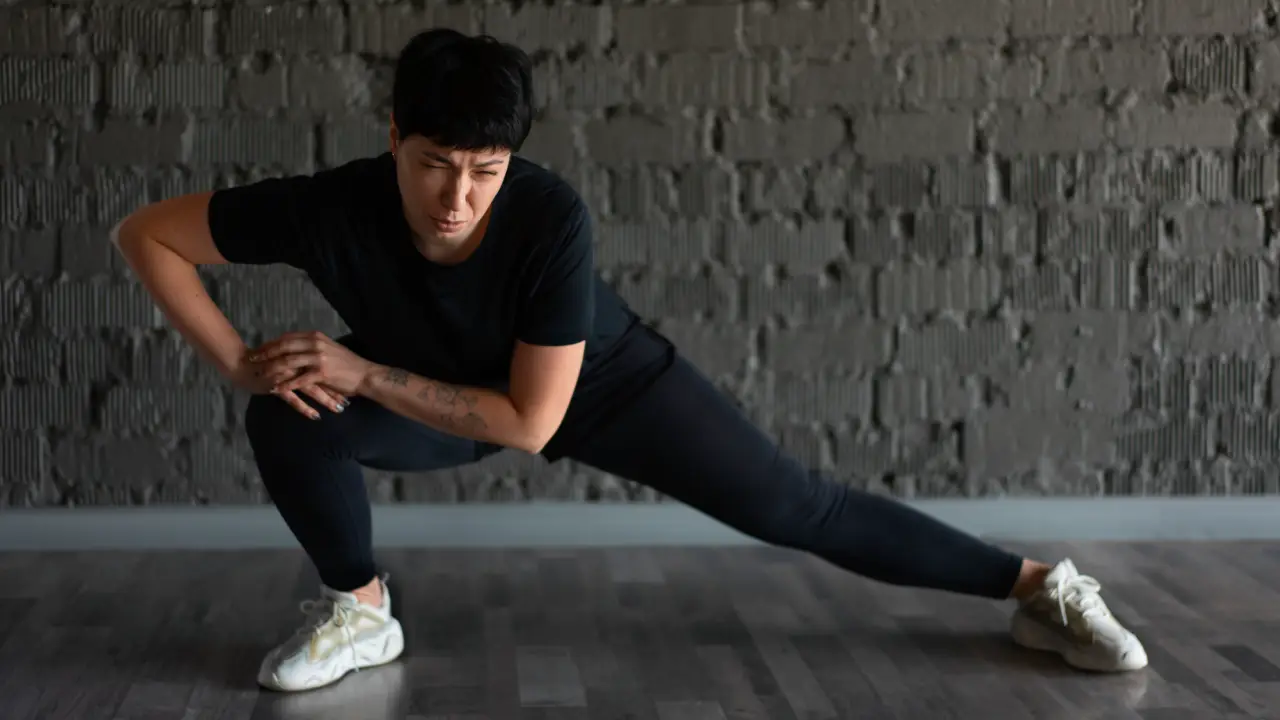
Starting with gentle stretches helps prevent stiffness and supports joint Mobility. Focus on slow, controlled movements targeting areas affected by the injury. Examples include hamstring, calf, and shoulder stretches. These exercises set the foundation for more challenging movements later in recovery.
2. Joint Mobility Exercises
Range-of-motion exercises maintain the natural movement of joints. Simple wrist bends, ankle rotations, and shoulder circles can reduce stiffness and prepare the body for strengthening exercises. Performing these movements regularly prevents long-term limitations.
3. Low-Impact Cardio
Low-impact cardio exercises, such as walking or cycling, support heart health and circulation without putting undue stress on the injured area. These exercises allow patients to stay active while minimizing the risk of further injury.
4. Light Strength Training
Strengthening exercises are essential for rebuilding muscle support around the injury. Using light weights, resistance bands, or bodyweight exercises like squats, wall push-ups, and bridges can gradually restore strength and stability. Progression should be slow and supervised to ensure proper technique.
5. Core Engagement
A stable core helps reduce pressure on injured joints and improves Posture. Gentle core exercises, including pelvic tilts and seated abdominal contractions, enhance balance and coordination while supporting overall recovery.
6. Balance Drills
Balance exercises retrain the body’s stability and reduce the risk of falls. Standing on one leg or gentle weight shifts improve coordination and retrain the nervous system, which is particularly important after lower limb injuries.
7. Functional Movements
Functional exercises mirror daily activities to prepare the body for everyday tasks. Sit-to-stand exercises, step-ups, and controlled lifting techniques retrain movement patterns and ensure that recovery translates into real-world functionality.
8. Water-Based Exercises
Aquatic exercises reduce joint strain while providing gentle resistance for strengthening. Swimming, water walking, or other water resistance exercises are ideal for patients who need support during injury recovery. The buoyancy of water allows movement without excessive load.
9. Posture-Focused Exercises
Injury can alter Posture, creating tension and discomfort elsewhere in the body. Wall slides, shoulder blade squeezes, and chin tucks can improve alignment and support overall recovery. Proper Posture ensures efficient, safe movements.
10. Self-Massage Techniques
Foam rolling or gentle self-massage increases blood flow and reduces muscle tightness. Focus on areas surrounding the injury rather than directly on the injured tissue. These techniques can complement guided rehabilitation and accelerate recovery.
11. Relaxation and Breathing Practices
Stress can slow down the body’s healing response. Breathing exercises, meditation, and gentle relaxation techniques support tissue repair by improving oxygen delivery and reducing tension. These practices also help maintain mental wellbeing during the recovery period.
12. Structured Rehabilitation Programs
While the exercises above can aid injury recovery, some cases require targeted, professional support to ensure safe progression. At our clinic, patients benefit from personalized programs designed for their specific injuries. Each plan combines therapeutic exercises, progress monitoring, and expert guidance to optimize recovery.
Moving Forward
Patients in Orangeville looking for effective injury recovery often find that a structured approach makes all the difference. While performing exercises at home is beneficial, professional oversight ensures proper technique, minimizes setbacks, and creates a roadmap toward full recovery. Blossom Wellness Clinic provides tailored injury recovery programs that guide each patient through the healing process, helping them regain strength, Mobility, and Confidence in their everyday activities.