10 Emotional Patterns That May Indicate Need for Trauma Counselling Support
- Admin
10 Practical Physiotherapy Treatment Techniques to Improve Joint Movement
Joint movement plays a direct role in how comfortably people manage daily life. From getting out of bed to walking, lifting, or working, joints rely on smooth coordination to function properly. When movement becomes limited, stiffness and compensation patterns can gradually influence other parts of the body. For residents of Orangeville, structured care through Physiotherapy Treatment provides a clear path to restoring joint Mobility in a controlled and effective manner.
What Affects Joint Movement Over Time
Joint movement often declines due to repetitive tasks, prolonged sitting, reduced activity, injuries, or recovery after Surgery. Even minor restrictions can create uneven stress across the body. Without proper intervention, this can lead to reduced movement, Confidence, and changes in Posture.
Physiotherapy treatment focuses on restoring joint Mobility rather than forcing motion. By addressing both the joint and the surrounding muscles, it supports safer, more efficient movement patterns.
Why Physiotherapy Treatment Is Essential for Joint Function
Joints rely on regular movement to maintain flexibility, coordination, and proper circulation. When motion becomes limited, joints may feel stiff, and surrounding muscles can become less efficient. Over time, this can affect how smoothly the body performs everyday tasks such as walking, reaching, or standing for long periods. While general exercise can support overall activity levels, it often does not address the specific movement restrictions in individual joints.
A structured Physiotherapy treatment plan focuses on how each joint moves during real-life activities rather than isolated exercises alone. This method allows precise techniques that match daily movement demands while staying within safe limits. By observing and guiding joint motion in a controlled way, Physiotherapy treatment helps support gradual progress without placing unnecessary strain on the body.
How Physiotherapy Treatment Improves Joint Mobility
The techniques below highlight how Physiotherapy treatment supports joint movement through guided motion, strength, and functional training.
1. Controlled Joint Mobilization
Joint mobilization uses gentle, repetitive movements within a safe range. These movements help joints glide more smoothly and reduce stiffness caused by inactivity or repetitive strain. This technique forms a core part of many Physiotherapy treatment programs.
2. Active Movement-Based Exercises
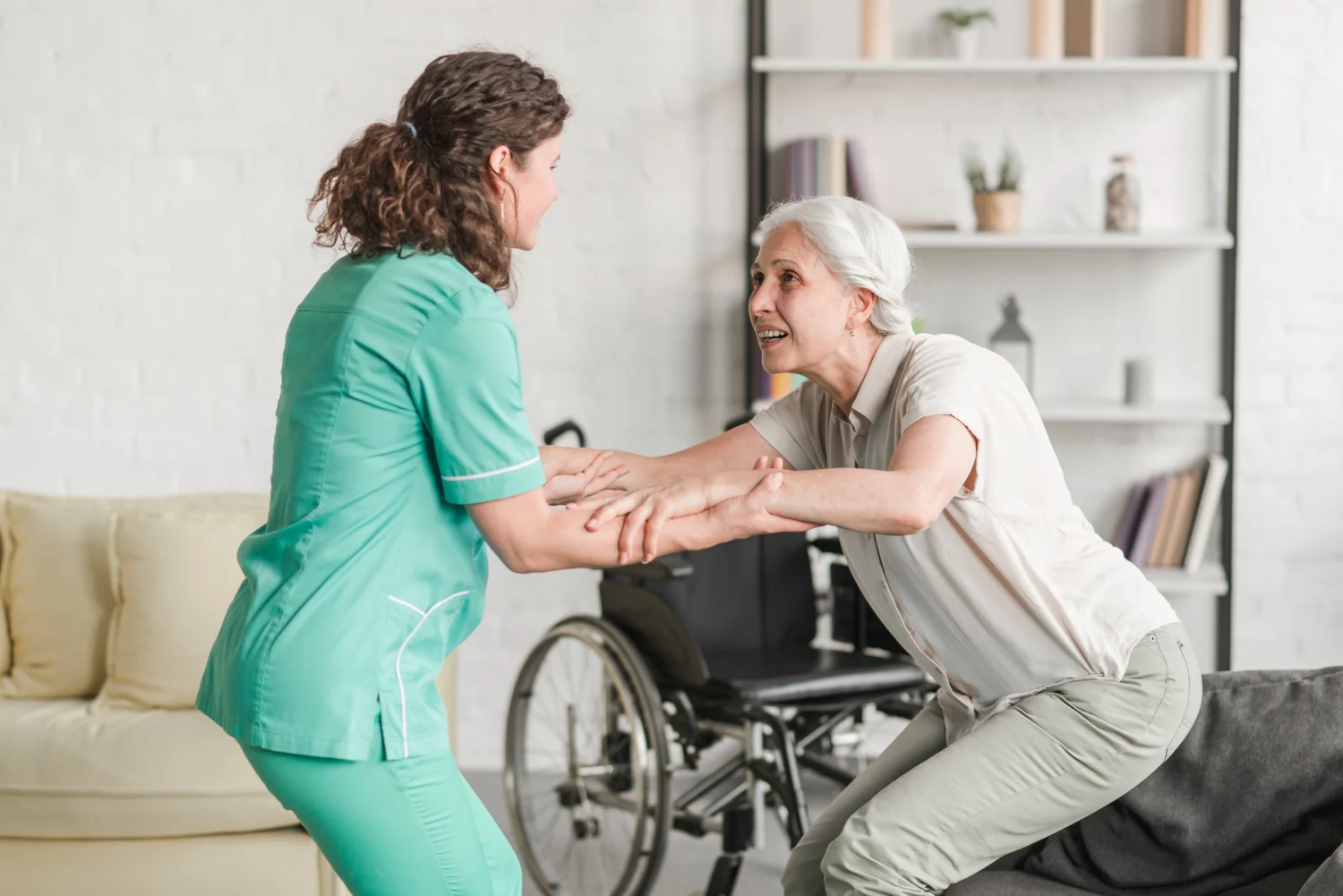
Active movement encourages individuals to use their own strength to move joints through their range. These exercises help retrain coordination and build Confidence in movement. Physiotherapy treatment uses active motion to promote independence during daily activities.
3. Muscle Length Optimization
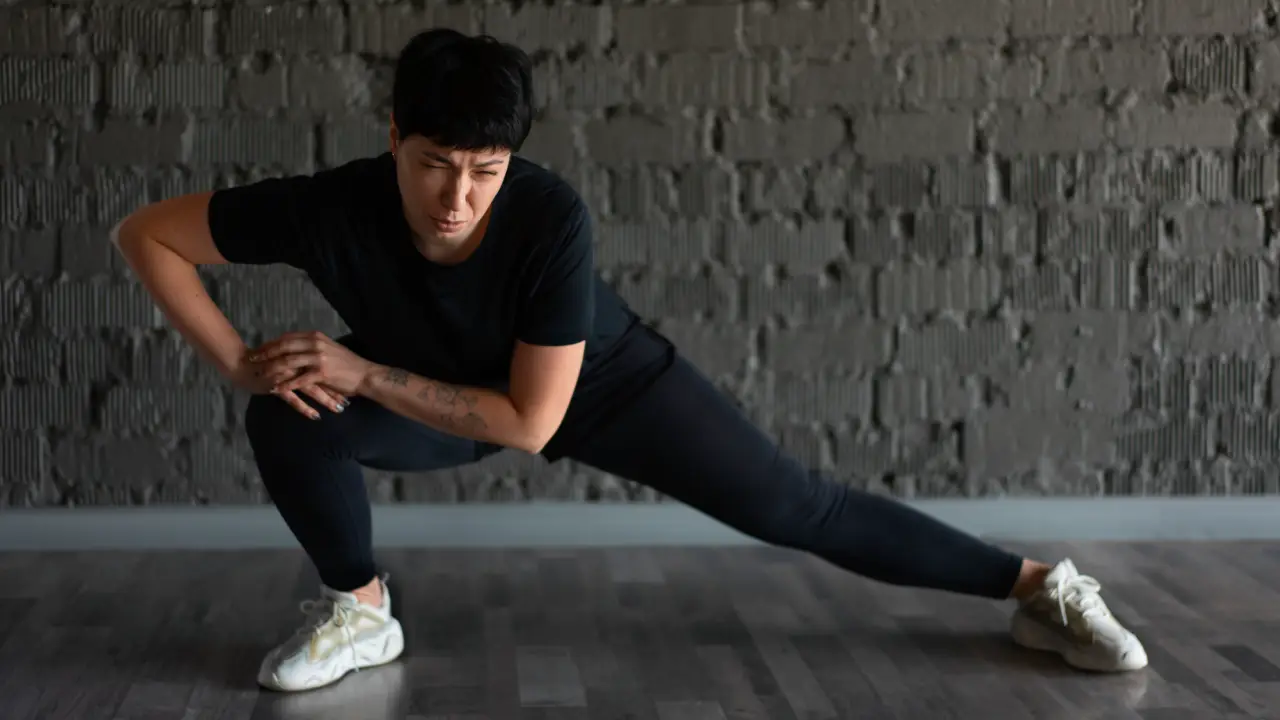
Tight muscles often limit how a joint moves. Stretch-based techniques focus on restoring muscle length so joints can move more freely. In Physiotherapy treatment, stretching is gradually applied to support long-term Mobility.
4. Strength Support Around Joints
Muscles play a key role in guiding joint motion. Weak or imbalanced muscles can restrict movement or cause compensation. Strength-focused exercises within Physiotherapy treatment support joint control during walking, lifting, and standing.
5. Hands-On Soft Tissue Techniques
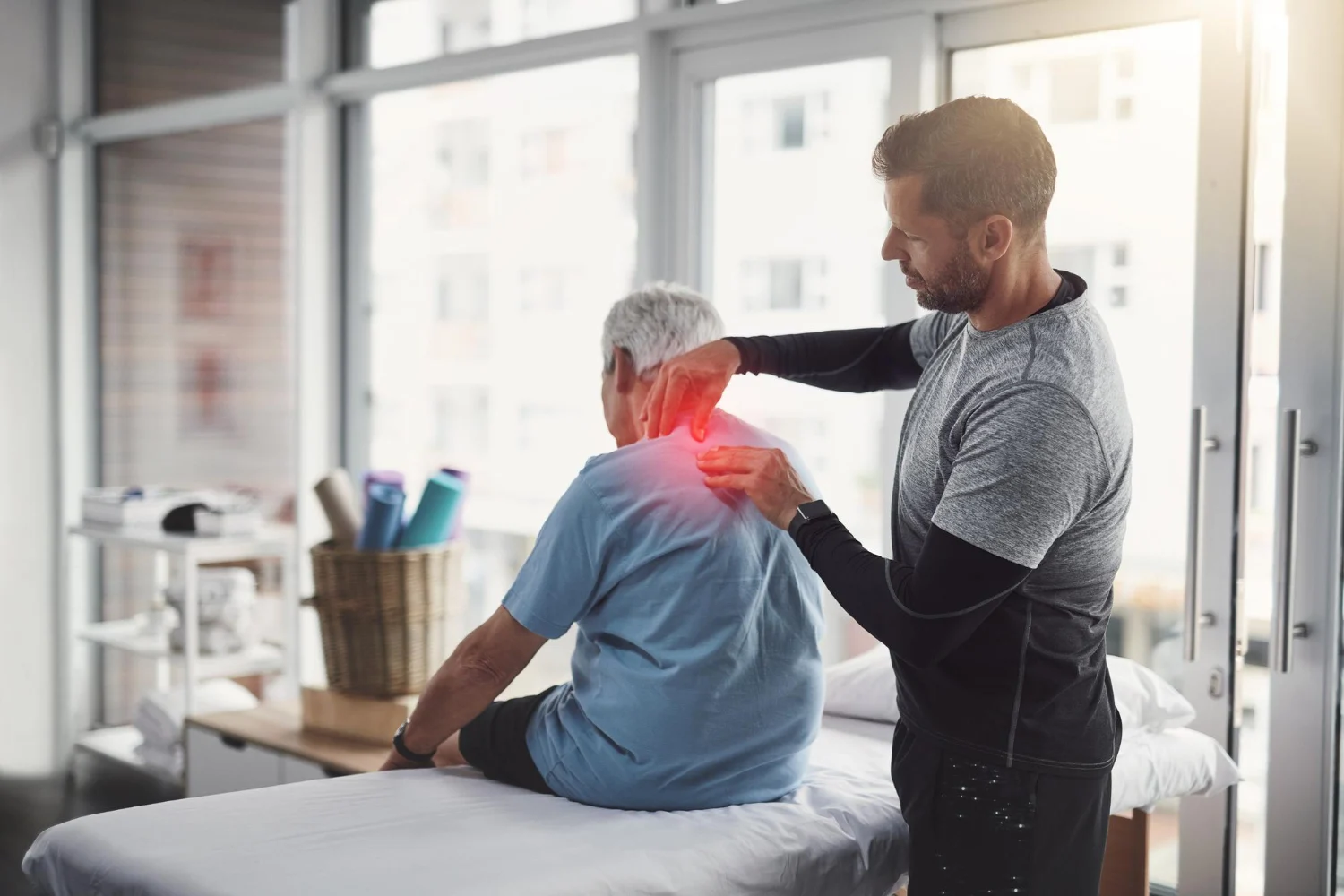
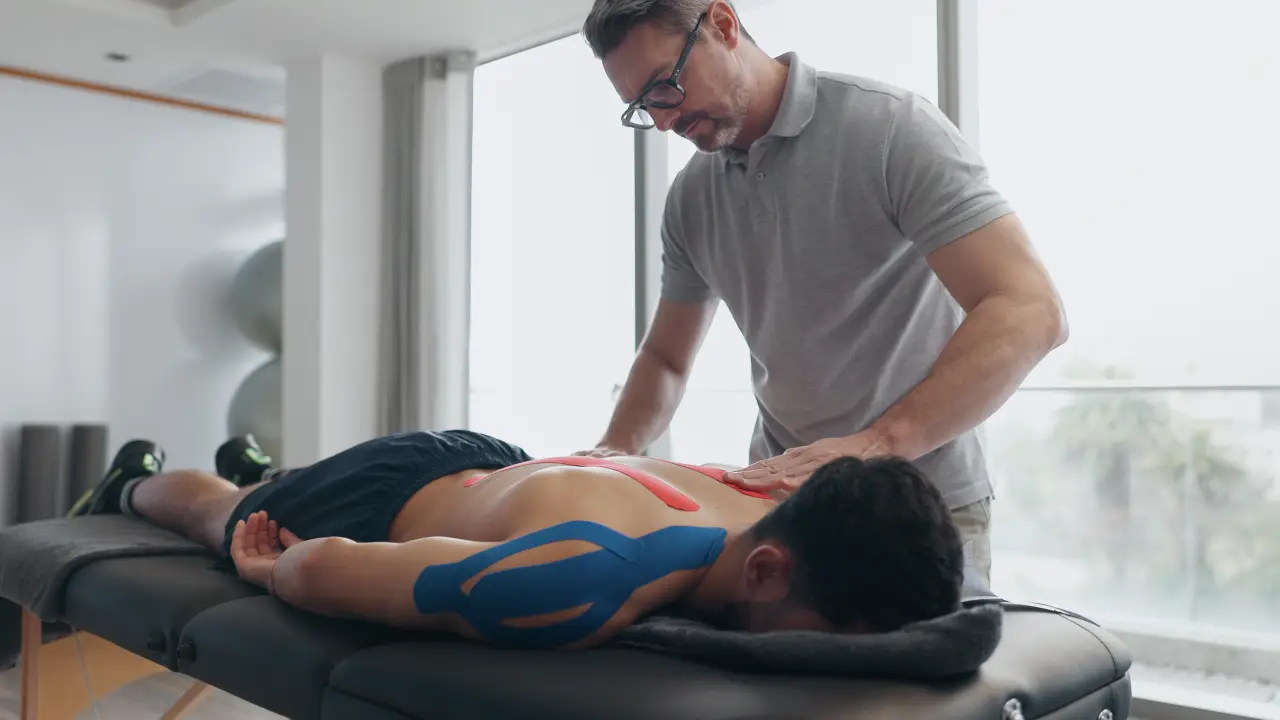
Soft tissue methods focus on muscles, connective tissue, and surrounding structures that influence joint motion. These techniques help reduce movement restrictions caused by overuse or poor Posture and are commonly included in Physiotherapy treatment plans.
6. Movement Pattern Re-Education
Sometimes joints move poorly due to learned habits rather than injury. Movement re-education focuses on correcting these patterns. Physiotherapy treatment helps retrain efficient movement during functional tasks like bending or reaching.
7. Balance and Stability Training
Joint movement relies on balance and control. Stability exercises improve coordination and help joints respond better to uneven surfaces or sudden changes. Balance training is an essential component of Physiotherapy treatment for overall Mobility.
8. Functional Activity Integration
Functional exercises reflect real-life tasks. By practicing movements such as stair climbing or transitions from sitting, joints adapt to daily demands. Physiotherapy treatment bridges the gap between clinical exercises and everyday movement.
9. Low-Impact Joint Loading
Low-impact movement keeps joints active without excessive strain. Techniques such as controlled cycling or guided movement circuits are often included in Physiotherapy treatment for gradual progress.
10. Movement Education for Daily Life
Education helps individuals maintain progress outside the clinic. Learning how Posture, work habits, and activity choices affect joints is a key part of Physiotherapy treatment. This approach supports long-term joint function beyond scheduled sessions.
The Need for Structured Physiotherapy Treatment in Orangeville
Many people delay care until joint stiffness affects daily life. Early support helps prevent movement restrictions from becoming long-standing issues. In Orangeville, access to consistent clinical care allows individuals to address joint movement concerns before they limit independence.
Our clinic focuses on clear assessments, progressive techniques, and practical strategies that align with daily routines. Each Physiotherapy treatment plan is built around real movement needs rather than generic exercise routines.
Moving Forward With Confidence
Joint movement does not improve by chance. It requires guided care, consistency, and an environment that supports progress. The techniques discussed in this article highlight how Physiotherapy treatment supports joint Mobility through structured, movement-focused care.
For individuals in Orangeville seeking clear direction, our clinic provides focused physiotherapy services to support safe, effective joint movement. To begin this process, connect with Blossom Wellness Clinic and take the next step toward restoring confident movement through professional care.