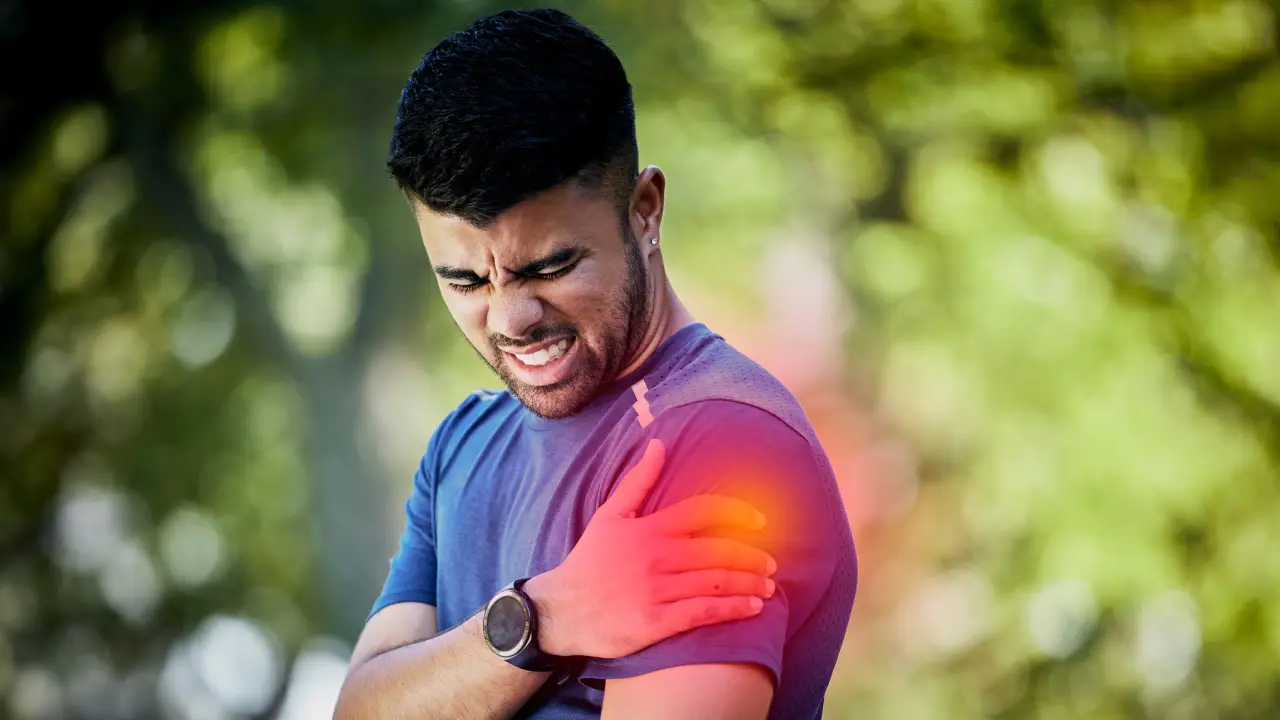
Muscle Strains & Sprains
Muscle strains and sprains are some of the most frequent soft tissue injuries people encounter. They can affect anyone, whether through athletic activity, workplace tasks, or even day-to-day movements. While they often sound similar, there are important distinctions between the two. Gaining an understanding of how they differ, what causes them, and how people manage them can significantly improve recovery and prevention.
What Are Muscle Strains?
A muscle strain happens when muscle fibres are overstretched or torn. This often occurs when someone asks a muscle to contract forcefully or extend beyond its usual limit. Strains can range in severity:
- Mild strains may only involve a small number of fibres, leading to soreness and stiffness.
- Moderate strains cause more widespread fibre damage, resulting in swelling, bruising, and noticeable weakness.
- Severe strains involve partial or complete muscle tears that may require longer recovery and, in rare cases, surgical repair.
Strains commonly occur in the hamstrings, quadriceps, lower back, and shoulders, but any muscle can be affected.
What Are Sprains?
A sprain is different from a strain because it involves ligaments rather than muscle tissue. Ligaments are strong bands of connective tissue that stabilize joints. A sprain occurs when these ligaments are stretched or torn, usually from sudden twisting, impact, or awkward movements.
Sprains most frequently affect the ankles, knees, and wrists. Just like strains, they vary in severity:
- Grade 1 (mild) – slight overstretching without significant instability.
- Grade 2 (moderate) – partial ligament tear with more significant pain, swelling, and limited function.
- Grade 3 (severe) – complete ligament rupture, often requiring extensive rehabilitation.
Causes and Risk Factors
Both strains and sprains typically result from movements that exceed the body’s normal range or from applying excessive force too quickly. Common causes include:
- Sudden twisting or pivoting motions
- Overexertion during sports or exercise
- Poor posture and muscle imbalances
- Repetitive stress from daily or occupational activities
- Insufficient warm-up before physical activity
- Slips, trips, or falls
Fatigued muscles, reduced coordination, or limited flexibility increase the risk.
Signs and Symptoms
Although strains and sprains affect different tissues, their symptoms can overlap, making it essential to evaluate them properly. Typical signs include:
- Pain at the site of injury
- Swelling and tenderness
- Reduced movement or stiffness
- Bruising and discolouration
- Muscle weakness or joint instability
- A popping or tearing sensation at the time of injury
Mild cases may feel like soreness after activity. At the same time, more severe injuries can make it difficult to bear weight, lift, or perform routine tasks.
Diagnosis and Severity
Healthcare professionals usually diagnose these injuries by reviewing symptoms, physical examination, and in some cases, imaging studies such as an ultrasound or an MRI. Identifying whether the injury involves muscle fibres or ligaments is essential because the recovery approach can vary.
Recovery and Management
Management strategies depend on the severity of the injury, but often include:
- Rest and activity modification – avoiding movements that aggravate the area.
- Ice and compression – to reduce swelling and inflammation.
- Elevation – helps manage fluid buildup.
- Gentle mobility exercises – introduced gradually to maintain range of motion.
- Strengthening programs – targeted exercises to rebuild stability and reduce the chance of re-injury.
In moderate to severe cases, bracing, supports, or structured rehabilitation may be recommended. Doctors consider surgical treatment only when there is significant structural damage.
Long-Term Considerations
One of the most critical aspects of recovery is preventing re-injury. Suppose a muscle or ligament does not heal properly. In that case, the tissue may remain weak, increasing the likelihood of another strain or sprain. Gradual progression, regular mobility work, and building supportive muscle strength are key steps to long-term stability.
Left unmanaged, even minor sprains and strains can lead to chronic discomfort, reduced mobility, or joint instability. That’s why addressing the injury promptly helps not only with immediate recovery but also with maintaining healthy movement in the future.
Prevention Tips
You cannot avoid every injury, but you can lower the risk with specific strategies:
- Warm up before physical activity with light cardio and dynamic stretches
- Strengthen muscles around vulnerable joints such as the ankles, knees, and shoulders
- Maintain flexibility through regular stretching
- Wear supportive footwear, especially during sports or long hours of standing
- Avoid sudden increases in exercise intensity or volume
- Pay attention to body mechanics when lifting, bending, or twisting
By adopting these habits, you reduce strain on both muscles and ligaments during everyday and athletic activities.
When to Seek Care
Simple home care may improve mild soreness, but seek medical attention when:
- Pain is severe or worsening
- There is significant swelling or bruising
- You cannot bear weight on the affected area
- There is a visible deformity or instability
- The injury does not improve within a few days
Prompt care ensures an accurate diagnosis and tailored recovery plan.
Take the Next Step
Suppose you are dealing with muscle strains or sprains. In that case, getting the proper care early on can make recovery smoother and help prevent lasting complications. At our clinic, we assess each injury carefully and guide you through a safe and structured recovery process.
Book your appointment today and take the first step toward moving comfortably again.