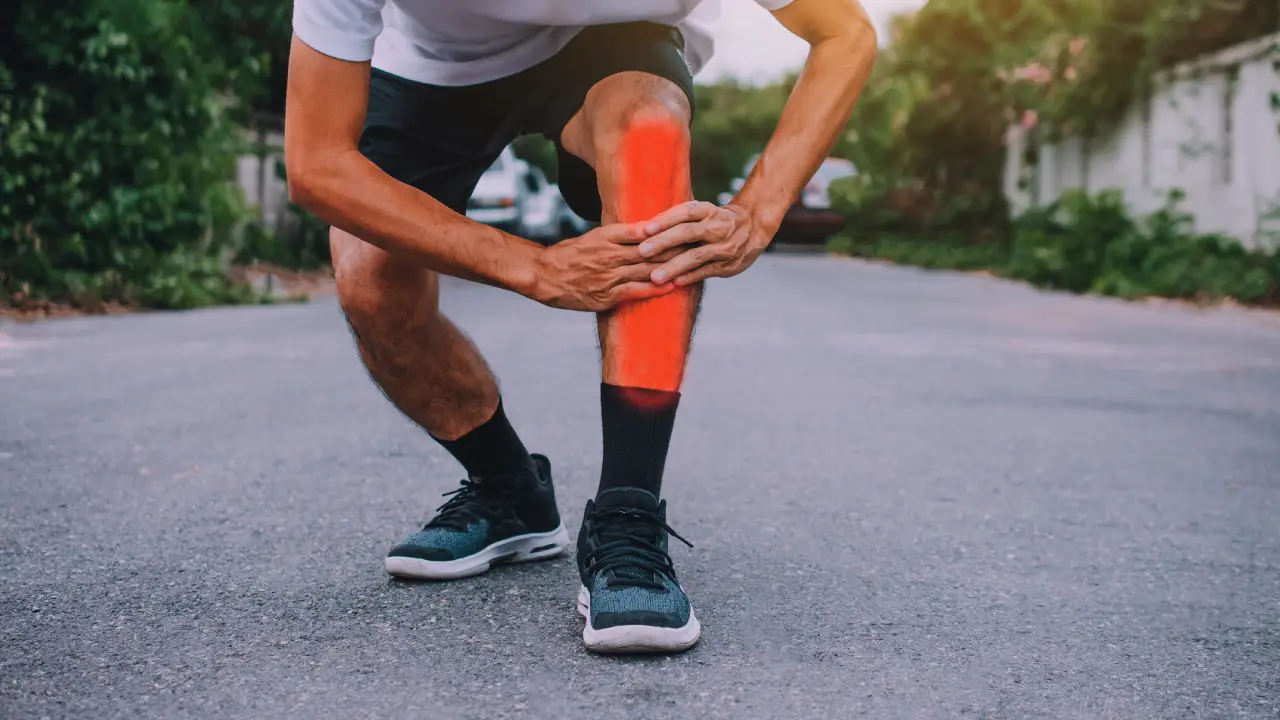
Shin Splints
Shin splints, often referred to as medial tibial stress syndrome, are a common source of discomfort for many active individuals. They typically develop along the inner edge of the shinbone, where muscles, tendons, and bone tissue experience irritation. This condition is persistent among runners, dancers, and people who increase physical activity suddenly without proper preparation. While shin splints may seem minor at first, the condition can worsen if ignored, interfering with daily mobility and overall quality of life.
What Are Shin Splints?
Repetitive stress on the shinbone and surrounding tissues causes shin splints. People usually feel the pain along the lower leg, either on the front or inside edge of the tibia. It may start as a dull ache during activity and gradually develop into more persistent discomfort even at rest if activity continues.
The main issue arises when the muscles that attach to the shinbone are overworked. Repeated pulling on the bone can cause inflammation, microtears in the muscle fibres, and stress along the connective tissues. Unlike a fracture, which is a single injury to the bone, shin splints result from cumulative overload over time.
Why Do Shin Splints Develop?
Several contributing factors can lead to shin splints, including:
- Sudden increase in training intensity – Rapidly increasing running distance, duration, or frequency often places too much strain on the lower legs.
- Improper footwear – Worn-out or unsupportive shoes fail to absorb impact effectively, making the shin area more vulnerable.
- Flat feet or high arches – Abnormal foot mechanics alter the way the legs distribute forces.
- Running on hard or uneven surfaces – Concrete or uneven terrain increases stress on the tibia and surrounding structures.
- Weakness or imbalance in leg muscles – Calf, hip, and core weakness can contribute to poor mechanics, forcing the shins to absorb more load.
By identifying what triggers shin splints, it becomes easier to manage the condition and prevent recurring flare-ups.
Common Signs and Symptoms
Shin splints often present with particular indicators. These can include:
- Pain along the inner side of the shinbone during exercise
- Tenderness or soreness to touch along the lower leg
- Swelling in the lower leg
- Pain that begins at the start of activity, subsides during rest, and sometimes returns afterward
- A dull ache that may progress to sharp pain if activity continues without adjustment
These signs can sometimes be confused with other issues such as stress fractures or compartment syndrome. A proper assessment helps determine the difference and ensures the team follows the appropriate management plan.
How Shin Splints Affect Daily Life
While often associated with athletes, shin splints can impact anyone who increases their activity level suddenly. Office workers starting a new fitness routine, hikers exploring more challenging trails, or students involved in sports can all experience this condition.
The pain may limit participation in exercise or recreation, leading to frustration and reduced physical fitness. If ignored, ongoing strain can develop into more severe injuries, including stress fractures, making it even harder to stay active. Addressing shin splints early not only helps with pain Relief but also supports long-term mobility and physical wellbeing.
Approaches to Managing Shin Splints
Managing shin splints typically involves a combination of rest, activity modification, and structured recovery strategies. Some key approaches include:
- Rest and activity adjustment – Reducing impact activities while allowing the tissues to heal is an essential step. Low-impact exercises like swimming or cycling can help maintain fitness.
- Proper footwear – Shoes with adequate cushioning and arch support reduce repetitive stress on the tibia. In some cases, orthotics may be helpful.
- Strengthening exercises – Targeting calf muscles, hips, and core stability ensures the lower legs are not overloaded during running or walking.
- Stretching and mobility work – Gentle stretching of the calves and hamstrings can relieve tightness that contributes to shin stress.
- Gradual return to activity – Once pain subsides, reintroducing activity at a slower pace helps the body adapt safely.
These approaches focus on reducing strain while improving strength and movement patterns to support long-term recovery.
Preventing Future Shin Splints
For those who have experienced shin splints once, preventing recurrence is crucial. Prevention often includes:
- Increasing activity levels gradually rather than all at once
- Alternating high-impact and low-impact workouts
- Ensuring shoes are replaced regularly and suited to individual foot mechanics
- Running on softer surfaces when possible
- Including a warm-up and cool-down routine to prepare muscles and joints
- Regularly performing strength and flexibility training for the lower body
With these practices, the likelihood of developing shin splints again can be significantly reduced.
When to Seek Professional Help
Shin splints often improve with rest and self-care, but if pain persists, professional support becomes necessary. Persistent symptoms could point to more complex conditions such as stress fractures or compartment syndrome. A thorough assessment can help determine the right course of action, prevent complications, and guide a safe return to activity.
Take the Next Step
If shin pain is limiting your activity, delaying care can make recovery longer and more difficult. Our clinic provides thorough assessment and recovery strategies designed to get you moving comfortably again. Please book an appointment today and start addressing shin splints before they progress further.