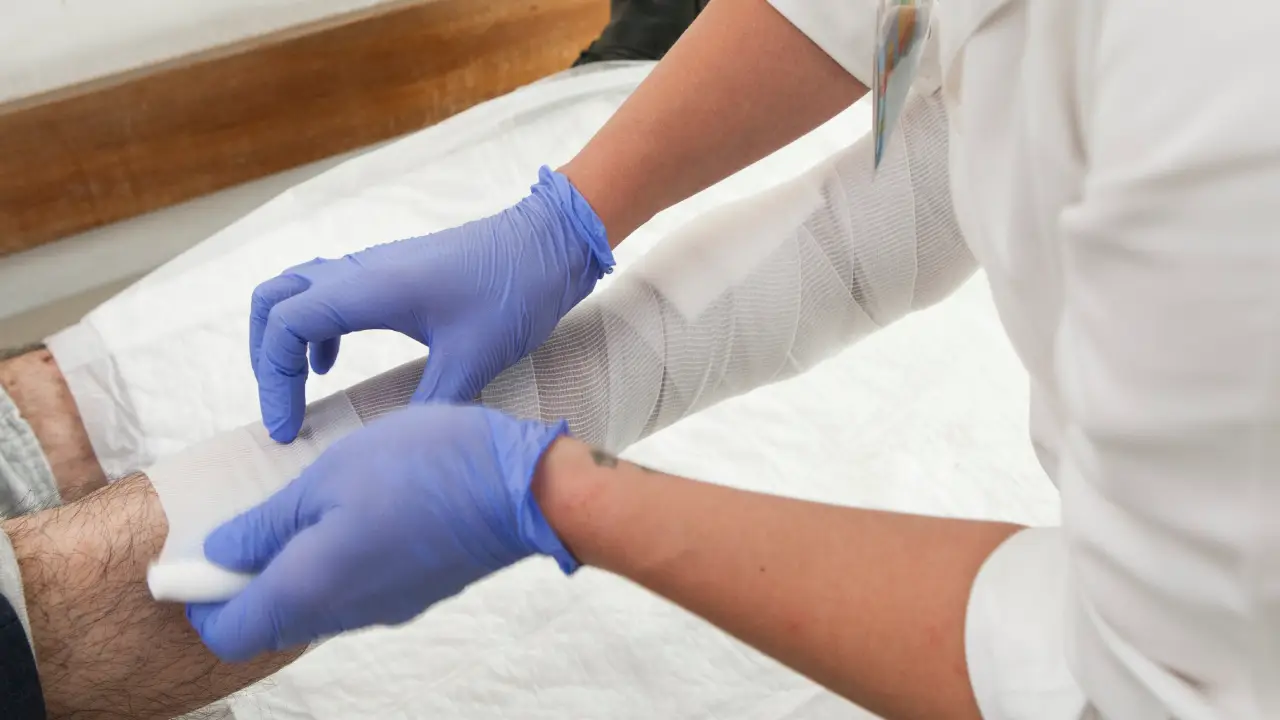
Complex Regional Pain Syndrome (CRPS)
Complex Regional Pain Syndrome (CRPS) is a chronic condition that usually affects an arm or a leg after an injury, surgery, stroke, or heart attack. While most injuries heal normally, CRPS causes pain that is disproportionate to the initial injury and can interfere with daily activities, mobility, and overall quality of life.
Doctors often divide CRPS into two types. Type I, sometimes called reflex sympathetic dystrophy, develops without a confirmed nerve injury. Type II, known as causalgia, occurs when there is a distinct nerve injury involved. Regardless of type, symptoms can vary widely and often evolve, requiring a comprehensive approach to management.
Signs and Symptoms
Individuals with CRPS typically experience persistent, intense pain that feels burning, stabbing, or aching. The affected limb may show changes in skin colour, temperature, and texture, ranging from shiny and thin skin to blotchy or pale appearances. Swelling and stiffness in joints are common, and some people notice changes in hair and nail growth.
Movement can become increasingly complex due to pain and stiffness, and even gentle touch or temperature changes may trigger discomfort. Early recognition of these signs is essential, as timely intervention can improve outcomes and prevent progression.
Causes and Risk Factors
CRPS often begins after an injury, such as a fracture, surgery, or sprain. While the exact cause remains complex, researchers believe that CRPS triggers abnormal responses in the peripheral and central nervous systems, which exaggerate pain signals. Inflammation and changes in blood flow in the affected area also play a role.
People who experience severe or repeated injuries, have nerve damage, or face prolonged immobility may have a higher risk of developing CRPS. Although adults more commonly develop the condition, it can affect individuals of any age, including children, and affects women more than men.
The Importance of Early Intervention
Prompt attention after the first signs of CRPS can help reduce the severity of symptoms and limit long-term complications. Early movement of the affected limb, controlled exercises, and guided activity can assist in preventing stiffness and maintaining function. Delaying treatment may lead to chronic pain, muscle wasting, and reduced range of motion.
Treatment Approaches
Managing CRPS typically requires a combination of therapies tailored to each individual. Therapists often use gentle, structured movement and desensitization exercises to help the nervous system adapt and reduce pain responses. Physical interventions aim to restore mobility, increase strength, and reduce swelling while avoiding activities that exacerbate discomfort.
In addition to movement-based strategies, therapy may include techniques to improve circulation, decrease inflammation, and address changes in skin and joint function. A gradual, consistent approach is critical to avoid setbacks and encourage steady progress. Coordination with healthcare providers such as occupational therapists, pain specialists, and doctors ensures a holistic management plan for the condition.
Daily Strategies for Managing CRPS
Alongside professional therapy sessions, therapists may guide patients to integrate practical strategies into daily life. Stress management, pacing of activities, and careful limb positioning can reduce pain flares. Regular monitoring of symptoms, maintaining a supportive environment, and adaptive tools or equipment help maintain independence in daily tasks.
Adapting the home or work environment to accommodate temporary limitations can also play a significant role in ongoing management. Minor adjustments, such as ergonomic modifications or supportive seating, can make daily routines more manageable while minimizing discomfort.
Long-Term Outlook
CRPS can vary significantly from person to person. Some individuals experience gradual improvement over months or years, while others may have persistent symptoms that require ongoing management. Early detection and consistent rehabilitation can improve the likelihood of regaining function and minimizing long-term impacts.
Research continues to explore better approaches to treating CRPS, including nerve-focused therapies, pharmacological interventions, and emerging rehabilitation techniques. Collaborative care, combining specialized exercises, lifestyle adaptations, and medical support, offers the best chance of managing symptoms and maintaining quality of life.
Take the Next Step in Managing Your Pain
If you or a loved one is experiencing prolonged, unexplained limb pain or signs of CRPS, seeking timely intervention can make a significant difference. Contact our clinic today to schedule an assessment and begin a personalized program designed to help restore movement, improve comfort, and support your recovery journey.