10 Emotional Patterns That May Indicate Need for Trauma Counselling Support
- Admin
7 Signals That Sports Physiotherapy Could Be Your Next Move
Don’t Let Minor Aches Become Major Setbacks
Engaging in physical activity, whether it’s recreational running, competitive sports, or an active job, is hugely rewarding. However, with physical exertion comes the possibility of aches, strains, and limitations that can sideline you from the activities you enjoy. It’s natural to brush off minor discomfort, but specific symptoms are clear indicators that it’s time to seek assistance.
Ignoring these warning signs can turn a minor issue into a chronic problem. Recognizing when your body needs more than just rest is the crucial first step toward recovery and maintaining an active lifestyle. If you’re active in or around Orangeville, paying close attention to these indicators will ensure you know when to seek appropriate attention.
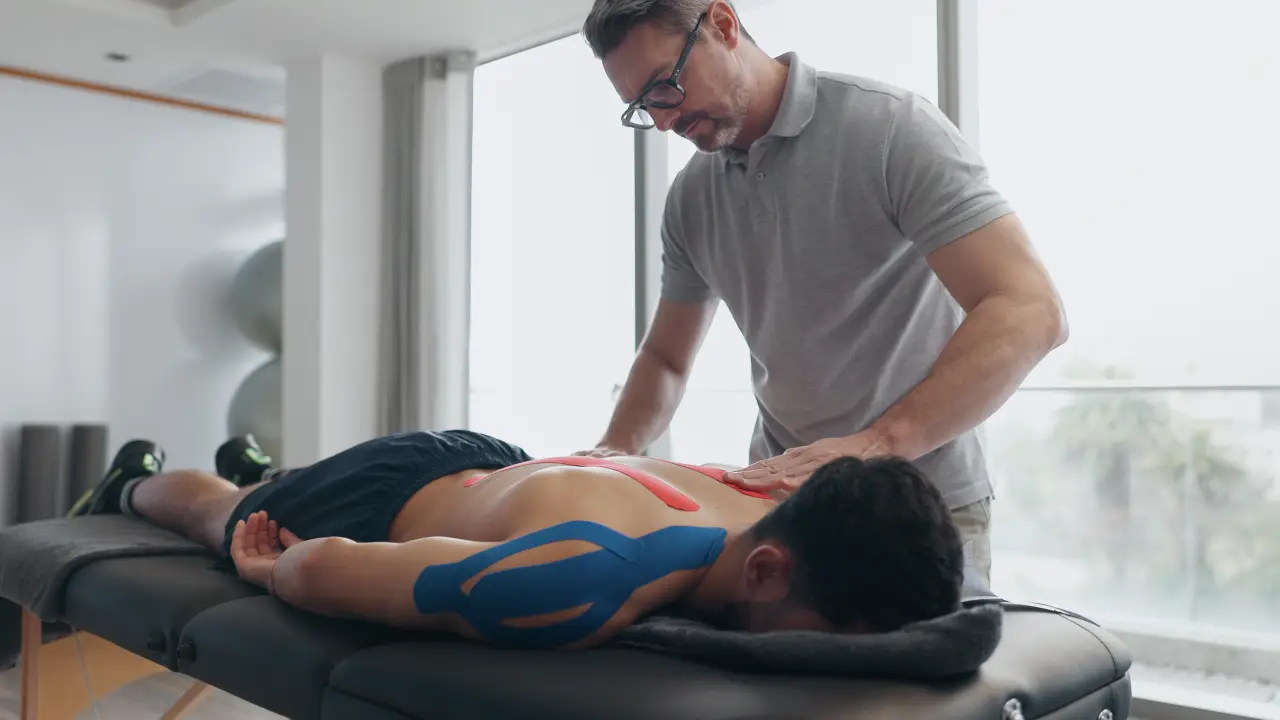
Here are seven unmistakable signals that Sports physiotherapy could be the solution you need to get back to full capacity.
1. Persistent Pain That Won’t Go Away
Pain is your body’s alarm system. While post-workout soreness is normal, pain that lingers for days or weeks after the initial activity is not. This persistent discomfort often indicates an underlying tissue injury, muscle imbalance, or joint dysfunction that requires professional assessment. Suppose rest, ice, or over-the-counter anti-inflammatories aren’t resolving the issue. In that case, it’s a strong sign that you need specialized help. Sports physiotherapy involves detailed assessments to identify the root cause of this persistent pain, enabling focused, practical strategies to manage and resolve it. Living with constant pain isn’t necessary.
2. Difficulty Moving a Joint Through Its Full Range
Have you noticed that your shoulder doesn’t lift as high as it used to, or your knee feels stiff when you try to bend or straighten it fully? A restricted range of motion is a significant red flag. This limitation can affect your athletic performance and your daily life, making activities like throwing, jumping, or even reaching difficult.
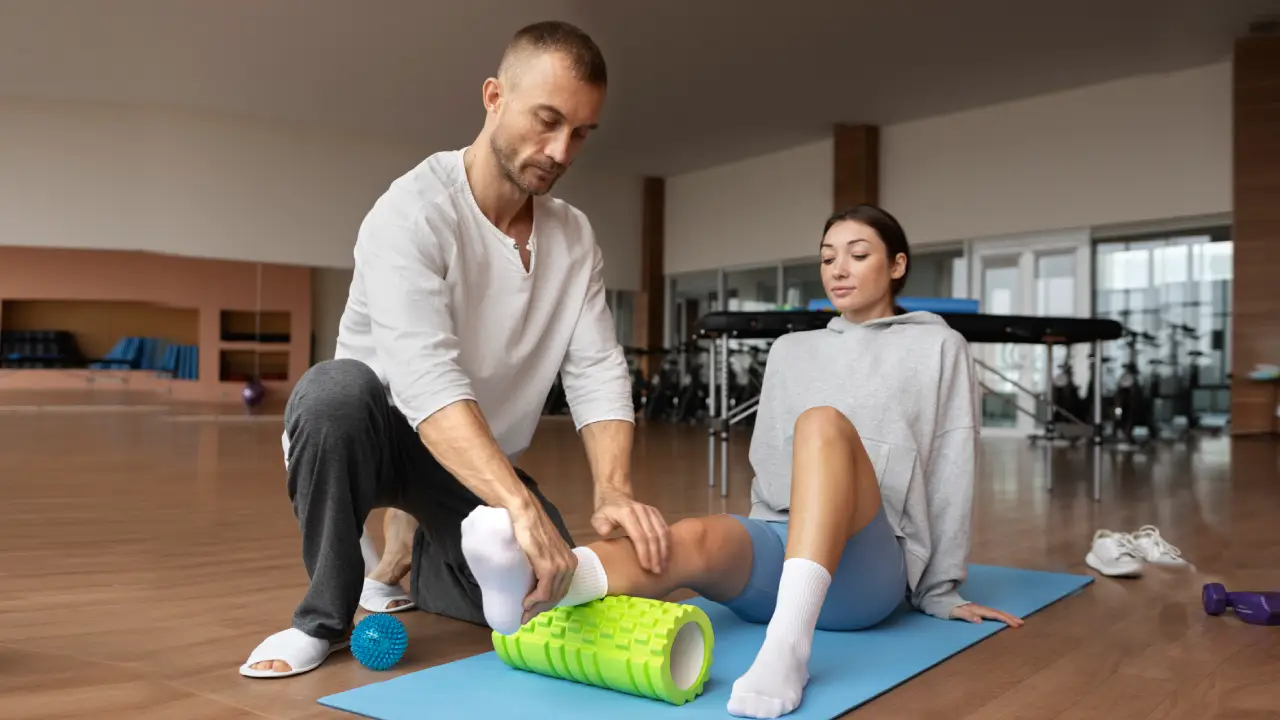
Reduced range of motion can stem from joint stiffness, muscle tightness, or inflammation. A key area of focus in sports physiotherapy is restoring optimal joint Mobility and flexibility. Through manual therapy, targeted stretching, and movement exercises, sports physiotherapy professionals work to safely and progressively regain your natural movement patterns.
3. A Noticeable Drop in Performance
A sudden or gradual decline in your ability to perform at your usual level is often a physical symptom of an impending or existing injury. Perhaps your running pace has slowed, your jump height has decreased, or you can no longer manage the same weights in the gym. This reduction in athletic capacity might be your body compensating for pain or weakness. A sports physiotherapy evaluation can pinpoint these compensatory patterns or hidden weaknesses. By addressing these factors directly, a sports physiotherapy program can not only restore but also often enhance your previous level of function.
4. Recurrent Injuries in the Same Area
Suppose you find yourself repeatedly dealing with hamstring strains, ankle sprains, or recurring issues in the same muscle group. In that case, it’s highly unlikely to be a run of bad luck. Recurring injuries signal a fundamental, unaddressed biomechanical issue or a weakness that was never fully rehabilitated after the first injury. It is a classic area where sports physiotherapy excels. Instead of just treating the symptom, sports physiotherapy focuses on corrective exercises and movement analysis to identify why the injury keeps happening, strengthening the body’s weaknesses to prevent future episodes. The goal is to break the cycle of injury and recovery.
5. Swelling and Bruising That Doesn’t Resolve
While immediate swelling and bruising after an acute injury are expected, persistent or unexplained fluid retention around a joint is a concern. Swelling is the body’s reaction to inflammation and damage. Suppose this doesn’t subside within a few days of resting and icing. In that case, it may indicate a more serious structural issue within the joint, ligament, or tendon. Sports physiotherapy includes modalities and techniques to reduce inflammation and promote tissue healing, guiding the body back to a normal, healthy state. If you are active, consulting with sports physiotherapy practitioners early can significantly speed up the healing process.
6. Instability or “Giving Way” of a Joint
Do you ever feel a sudden wobble in your knee when pivoting, or does your ankle feel unreliable on uneven ground? This sensation of “giving way” or instability is a significant warning sign, often seen after ligament injuries such as an ACL injury or an ankle sprain. This instability means the joint’s supporting structures aren’t functioning correctly, placing you at high risk of a more severe injury, such as a complete tear or chronic dislocation. Through strength training, balance work, and proprioception retraining, sports physiotherapy helps rebuild the stability and Confidence in the compromised joint.
7. You’re Ready to Take Action and Find a Local Solution
It’s completely normal to try resting and managing discomfort at home first. However, suppose any of the above six signs sound familiar. In that case, it’s time to stop waiting for the problem to resolve itself. The effective management of sports-related injuries requires the specialized knowledge found in sports physiotherapy.
Moving Forward
If you are an active individual in Orangeville, you should consider seeking professional help. Sports physiotherapy is designed for the active population, focusing on movement analysis and rehabilitation strategies that enable a safe return to sport. Movement specialists at our clinic use evidence-based methods to help you overcome these movement barriers.
We understand the frustration of being sidelined. Suppose you recognize any of these warning signs. In that case, a visit to our clinic for a sports physiotherapy assessment is the proactive step needed to protect your body and ensure a full return to the activities you cherish. We strive to provide a clear path forward for those in the Orangeville community. To move from recognizing these issues to actively resolving them, you can count on the dedicated approach at Blossom Wellness Clinic.