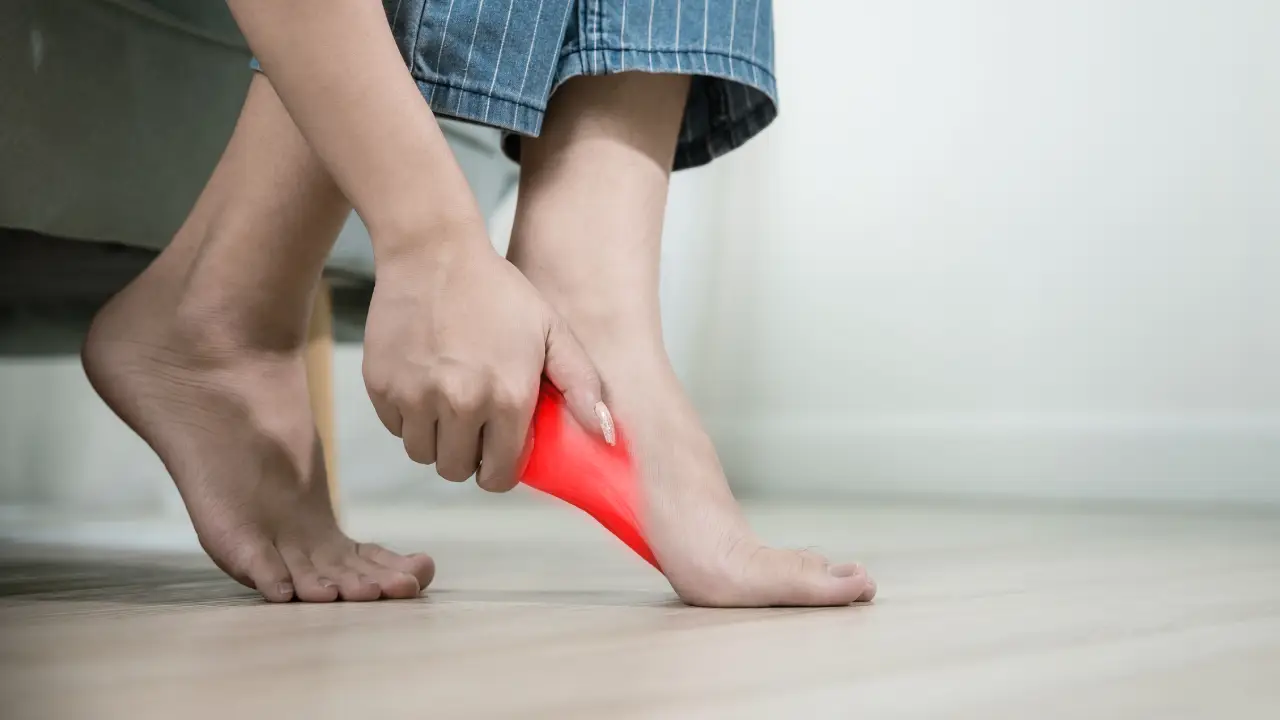
Plantar Fasciitis
Plantar fasciitis is one of the most frequent causes of heel pain, often affecting people who are on their feet for long hours or participate in high-impact activities. The plantar fascia is a thick band of connective tissue that runs along the bottom of the foot, stretching from the heel bone to the toes. It acts like a shock absorber, supporting the arch and enabling smooth movement while walking, running, or standing. When this tissue becomes irritated or inflamed, it leads to discomfort that can significantly interfere with daily activities.
What is Plantar Fasciitis?
Plantar fasciitis occurs when repetitive stress, strain, or overloading causes tiny tears in the plantar fascia. This triggers irritation and stiffness, most commonly felt as sharp pain at the heel or along the arch of the foot. The discomfort often appears first thing in the morning with the initial steps out of bed or after long periods of rest. While the pain may decrease after moving around, it often returns following prolonged standing or physical activity.
Key Causes and Risk Factors
Several factors can contribute to the onset of plantar fasciitis. Some of the most common include:
- Foot structure: Flat feet, high arches, or abnormal walking patterns can create uneven weight distribution, straining the fascia.
- Footwear choices: Shoes without proper arch support or cushioning increase stress on the heel and arch.
- Occupational strain: Jobs that require standing or walking for extended periods, especially on hard surfaces, increase the risk.
- Activity level: Runners, dancers, and athletes are more likely to experience fascia irritation due to repetitive impact.
- Age: The condition is more common in adults between the ages of 40 and 60.
- Weight: Excess body weight adds pressure on the plantar fascia, making it more prone to injury.
Common Symptoms
The hallmark symptom of plantar fasciitis is sharp heel pain. Still, the condition can present in different ways depending on severity. Typical signs include:
- Pain at the base of the heel, especially when taking the first steps in the morning.
- Discomfort that worsens after long periods of standing or activity.
- Tightness in the arch or heel region.
- Tenderness when pressing on the inside of the heel.
- A burning or aching sensation that can extend along the bottom of the foot.
These symptoms can gradually worsen if left unaddressed, making everyday movements increasingly difficult.
Impact on Daily Life
Living with plantar fasciitis can affect more than just physical activity. Many people find themselves avoiding exercise, sports, or even basic movements due to persistent heel pain. Standing for work or household responsibilities may become challenging, and the discomfort can disrupt focus and mobility. Over time, compensating for heel pain by altering the way you walk may lead to additional issues such as knee, hip, or back strain.
How Specialists Diagnose Plantar Fasciitis
Diagnosis usually begins with a detailed history of symptoms and a physical assessment of the foot. Pressing on specific points around the heel often reproduces the pain, confirming the affected area. The physiotherapist may also evaluate the range of motion and gait patterns to identify contributing factors such as tight calf muscles or altered walking mechanics. In some cases, doctors may use imaging tests like X-rays or ultrasounds to rule out other conditions, including stress fractures or heel spurs.
Approaches to Care
Managing plantar fasciitis typically involves a combination of methods to reduce pain and restore normal movement. These may include:
- Rest and activity modification: Avoiding or adjusting activities that aggravate the condition.
- Stretching exercises: Focused stretches for the calf muscles and plantar fascia can relieve tension.
- Strengthening routines: Improving stability in the foot and ankle helps distribute pressure more evenly.
- Footwear adjustments: Supportive shoes or orthotic inserts provide cushioning and arch support.
- Manual therapy techniques: Hands-on approaches that target soft tissue tightness and improve mobility.
- Taping or bracing: Supporting the arch temporarily reduces strain during daily activities.
- Modalities for pain Relief: Therapists may use ice, ultrasound, or shockwave therapy to decrease discomfort.
Each treatment plan is designed based on individual needs, activity level, and severity of the condition.
Preventing Recurrence
Prevention plays a vital role in long-term recovery, even though effective management can address plantar fasciitis. Some steps that may reduce the risk of recurrence include:
- Wearing supportive shoes for both work and leisure activities.
- Avoid sudden increases in exercise intensity or duration.
- Keeping calf and foot muscles flexible with regular stretching.
- Maintaining a healthy weight reduces stress on the foot.
- Replace worn-out footwear before it loses cushioning and support.
When to Seek Help
Do not ignore heel pain that persists beyond a few weeks. Early attention makes it easier to resolve symptoms and reduces the likelihood of the condition becoming chronic. Suppose morning heel pain, arch discomfort, or activity-related soreness continues despite rest or self-care. In that case, it may be time to consult a professional for a detailed evaluation and treatment plan.
Take the Next Step
If heel pain is interfering with your daily routine, the proper care can help you move with greater comfort and Confidence. Please book an appointment with our clinic today and begin addressing plantar fasciitis before it holds you back any longer.