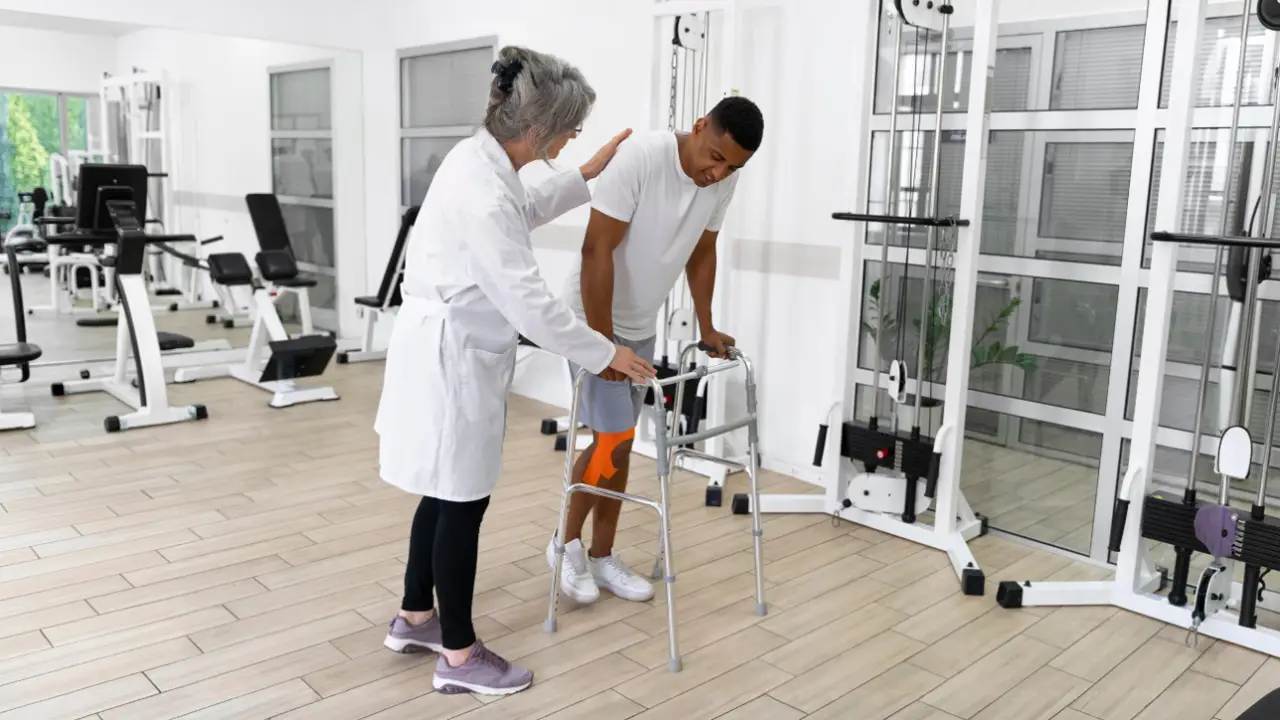
Post-Surgical Rehabilitation
Recovering from surgery is a critical phase that requires careful attention and guided intervention. Post-surgical rehabilitation focuses on restoring strength, Mobility, and function after procedures such as joint replacements, ligament repairs, spinal surgeries, or abdominal operations. The goal is to support a safe and efficient recovery, reduce complications, and help patients return to daily activities and previous levels of physical performance.
Why Post-Surgical Rehabilitation Matters
After surgery, muscles, joints, and tissues often experience stiffness, weakness, or reduced flexibility. Scar tissue formation, limited range of motion, and swelling can further delay recovery. Without structured rehabilitation, these issues may become persistent, affecting Mobility and overall quality of life. Post-surgical rehabilitation provides a structured pathway to address these challenges, promote healing, and optimize long-term outcomes.
Key Areas of Focus
1. Restoring Mobility:
Surgical interventions can temporarily limit joint movement or create a muscular imbalance. Rehabilitation specialists design programs to gradually restore the range of motion through targeted exercises, manual techniques, and movement retraining. Early mobilization, when medically appropriate, helps prevent stiffness and supports tissue healing.
2. Rebuilding Strength:
Muscles that were immobilized or affected during surgery often lose strength. Post-surgical rehabilitation emphasizes progressive strengthening exercises that focus on stabilizing joints, supporting surrounding muscles, and regaining functional power. Strengthening not only enhances recovery but also reduces the risk of re-injury.
3. Pain and Swelling Management:
Surgical recovery can involve post-operative pain, inflammation, or swelling. Rehabilitation includes techniques such as gentle mobilization, soft tissue therapy, and activity modification to manage discomfort while encouraging movement and healing.
4. Improving Balance and Coordination:
Procedures that affect the lower limbs, spine, or shoulders can disrupt balance and coordination. Targeted exercises and movement retraining restore neuromuscular control, helping patients move confidently and safely.
5. Scar Tissue and Joint Health:
After surgery, scar tissue can form and limit flexibility or joint function. Therapeutic interventions focus on gentle stretching, soft tissue mobilization, and controlled exercises to improve tissue elasticity, joint mechanics, and overall comfort.
Typical Post-Surgical Conditions Addressed
Joint Replacements:
Knee, hip, or shoulder replacement surgeries often require a carefully structured rehabilitation plan. The program aims to restore joint function, increase muscle strength, and help patients regain independence in daily activities such as walking, climbing stairs, or lifting.
Ligament and Tendon Repairs:
Surgeries involving the ACL, rotator cuff, or Achilles tendon benefit from targeted rehabilitation that protects healing tissues while gradually restoring strength and Mobility. Exercises are sequenced to ensure proper tissue adaptation and avoid complications.
Spinal Surgeries:
Recovery from procedures like lumbar fusion or discectomy can involve stiffness, reduced core stability, and pain. Rehabilitation focuses on safe mobilization, postural correction, core strengthening, and gradual return to activity.
Abdominal and Thoracic Surgeries:
Procedures such as hernia repair or thoracic surgery can affect posture, breathing mechanics, and core strength. Rehabilitation emphasizes gentle movement, breathing exercises, and gradual strengthening to restore functional capacity.
Sports or Trauma-Related Surgeries:
Athletes or individuals who undergo surgery due to fractures, dislocations, or soft tissue injuries require rehabilitation that targets functional recovery, performance optimization, and safe return to sports or physically demanding activities.
How Rehabilitation is Structured
Clinicians typically divide post-surgical rehabilitation into phases that align with the patient’s stage of recovery:
Early Phase: Focuses on pain management, swelling reduction, and gentle movement to prevent stiffness.
Intermediate Phase: Introduces progressive strengthening, balance exercises, and functional training.
Advanced Phase: Targets higher-level Mobility, endurance, and return to daily or recreational activities.
Sessions are personalized based on surgical procedure, age, activity level, and individual goals. Therapists continuously monitor progress and adjust exercises to meet evolving needs while maintaining safety.
Collaborative Care
Recovery after surgery often involves coordination with surgeons, nurses, and other healthcare professionals. Regular updates, feedback, and collaborative planning ensure that rehabilitation aligns with the overall medical plan. This integrated approach maximizes recovery potential and minimizes setbacks.
Benefits of a Guided Program
Following a structured post-surgical rehabilitation program helps patients:
- Regain strength and flexibility efficiently
- Reduce the risk of re-injury or post-operative complications
- Improve Confidence in movement and daily activities
- Enhance long-term joint and muscle function
Investing time and effort in rehabilitation after surgery can make a significant difference in the quality of recovery and the ability to resume an active lifestyle.
Take the Next Step
Begin your recovery with a customized rehabilitation plan designed to restore Mobility, strength, and Confidence safely. Schedule an appointment today to start your journey toward functional recovery.