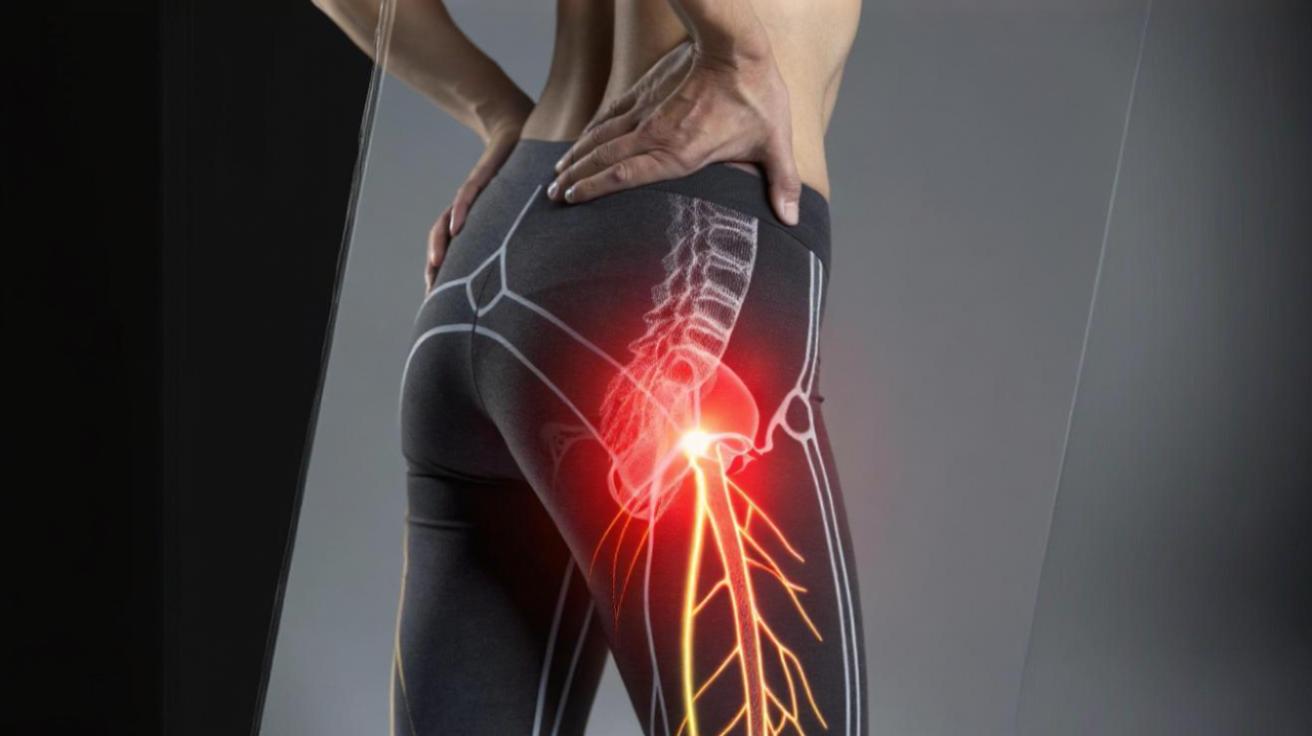
Sciatica
Sciatica is a condition that affects the sciatic nerve, the largest nerve in the body, which runs from the lower back down through the hips, buttocks, and each leg. When this nerve becomes irritated or compressed, it can result in pain, tingling, numbness, or weakness along its pathway. Underlying issues such as herniated discs, spinal stenosis, or degenerative disc disease often cause sciatica. Still, the symptoms themselves can significantly impact daily life, making movement, sitting, or even standing uncomfortable.
Causes and Contributing Factors
Pressure or irritation on the sciatic nerve causes sciatica. Common causes include herniated discs, where the cushioning material between the vertebrae protrudes and presses on nerve roots, or spinal stenosis, which narrows the spaces in the spine and restricts nerve pathways. Muscle imbalances, prolonged poor posture, or repetitive strain can also contribute to irritation of the nerve.
Individuals who spend extended periods sitting, perform heavy lifting without proper technique, or engage in high-impact activities without adequate conditioning may be at higher risk. Pregnancy can also contribute due to changes in posture and added pressure on the lower back. Sciatica can develop suddenly or gradually over time, and symptoms may flare up intermittently.
Symptoms to Recognize
Sciatica often presents as pain radiating from the lower back to the leg, sometimes reaching the foot. The discomfort can vary in intensity, ranging from a dull ache to sharp, burning sensations. Tingling or a pins-and-needles feeling may accompany the pain, along with numbness or muscle weakness in the leg.
Some individuals experience symptoms on only one side of the body, while others may have bilateral symptoms. Activities such as bending, lifting, or sitting for long periods can aggravate the condition. Recognizing early warning signs is key to managing sciatica and preventing worsening symptoms.
Approaches to Relief and Mobility
Addressing sciatica requires careful attention to movement and muscle balance. Gentle stretching and targeted exercises can help reduce nerve irritation, improve flexibility, and strengthen the supporting muscles of the lower back, hips, and core. Exercises that focus on core stabilization and pelvic alignment often relieve pressure on the sciatic nerve and enhance overall spinal health.
Manual techniques, such as soft tissue work, joint mobilization, and guided therapeutic movements, can also reduce tension in surrounding muscles and promote optimal nerve function. These techniques aim to restore natural movement patterns while minimizing discomfort during everyday activities.
In some cases, postural and ergonomic adjustments play an essential role in symptom management. Ensuring proper alignment while sitting, standing, or performing repetitive tasks can prevent exacerbation of nerve irritation and support recovery. Regular movement and activity modifications, rather than prolonged rest, are often recommended to maintain mobility without aggravating the condition.
Preventive Measures
Preventing sciatica involves strengthening the muscles that support the spine and maintaining flexibility in the lower back, hips, and legs. Core exercises, low-impact cardiovascular activity, and stretches targeting the hamstrings, hip flexors, and glutes can reduce the likelihood of nerve compression.
Proper lifting techniques, avoiding prolonged periods of sitting without breaks, and maintaining a healthy weight all contribute to lowering the risk of developing sciatica. For individuals with a history of lower back issues, ongoing attention to posture and ergonomics can be particularly beneficial.
When to Seek Help
If pain, numbness, or weakness affects your daily life, seeking professional assessment is essential. Do not ignore persistent or worsening symptoms, because addressing them early can prevent further nerve irritation and improve long-term mobility.
Professional guidance focuses on identifying the root cause of the nerve irritation and creating a plan tailored to reduce discomfort, improve movement, and support overall spinal health. By addressing the underlying factors contributing to sciatica, individuals can regain functional movement and reduce flare-ups.
Take the First Step Toward Relief
If you are experiencing leg or lower back pain, tingling, or numbness, don’t wait for symptoms to worsen. Reach out today to schedule an assessment and explore targeted strategies to alleviate sciatica symptoms and regain comfortable, functional movement.