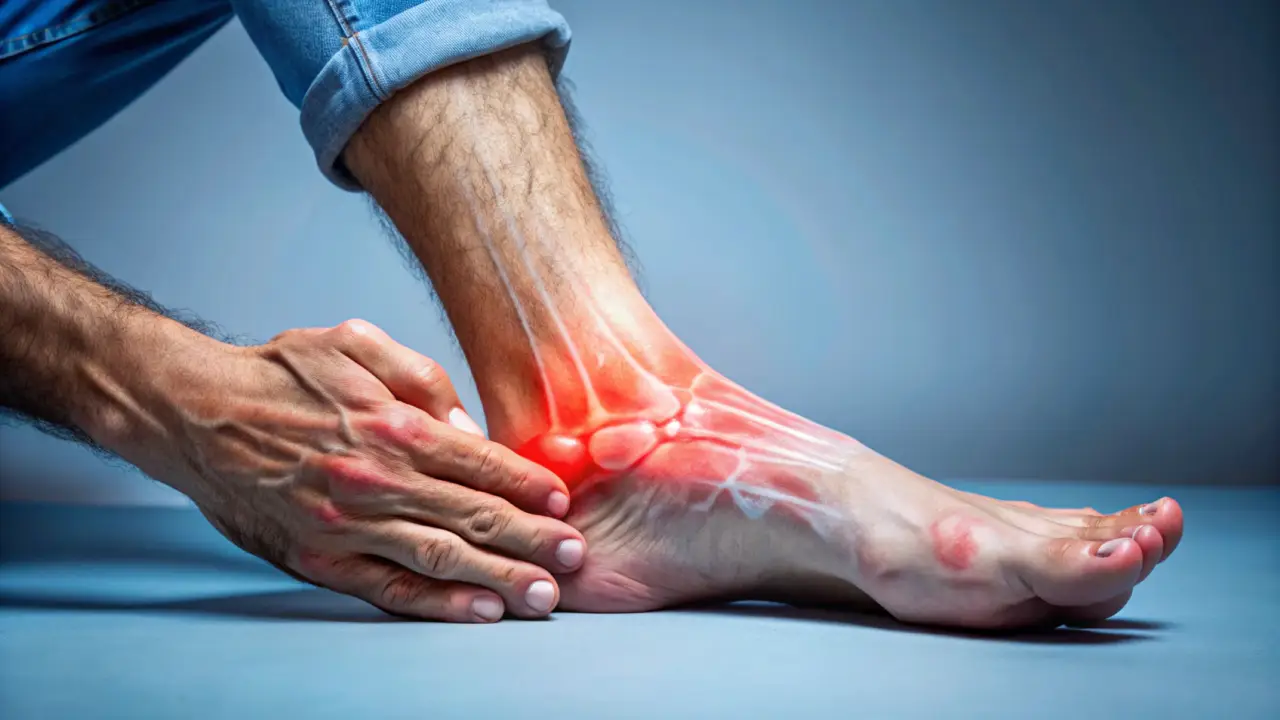
Tendonitis
Tendonitis is a condition that develops when a tendon, the tough band of tissue connecting muscle to bone, becomes inflamed or irritated. This inflammation often causes pain, stiffness, and reduced mobility in the affected area. Tendonitis can occur in many parts of the body. Still, regions that experience repetitive motion or high levels of strain face it especially often.
What is Tendonitis?
Tendons handle tension, but continuous stress or overuse can cause small tears to form. These tears trigger inflammation, leading to tendonitis. The discomfort may develop suddenly after a particular activity, or it can gradually build up over time.
While any tendon can become irritated, certain areas are more vulnerable, including the shoulder, elbow, knee, wrist, and ankle. Some of the most frequently seen forms include:
- Rotator cuff tendonitis – irritation of the shoulder tendons, often linked to overhead activities.
- Achilles tendonitis – inflammation in the tendon at the back of the ankle, commonly associated with running or jumping.
- Patellar tendonitis – often called “jumper’s knee,” affects the tendon below the kneecap.
- Tennis elbow (lateral epicondylitis) – pain in the outer elbow due to repetitive gripping or wrist motion.
- Golfer’s elbow (medial epicondylitis) – discomfort in the inner elbow from repeated swinging or lifting.
Why Tendonitis Develops
A single factor does not cause tendonitis. Instead, it often results from a combination of repetitive stress, sudden increases in physical activity, or improper technique. Some of the most common contributing factors include:
- Repetitive motion – frequent movements in work, sport, or daily routines that place constant strain on the tendon.
- Sudden activity changes – a sharp increase in intensity, such as lifting heavier weights or running longer distances without gradual progression.
- Poor posture or biomechanics – faulty alignment during exercise, sport, or even at workstations.
- Age-related changes – tendons naturally lose flexibility and strength with age, making them more prone to irritation.
- Previous injuries – earlier strains or tears may weaken the tendon, increasing the risk of inflammation.
Signs and Symptoms
The symptoms of tendonitis vary depending on the location, but some standard features include:
- Localized pain that may worsen with activity.
- Swelling or warmth around the tendon.
- Stiffness, especially after periods of rest.
- A crackling or grating sensation when moving the affected joint.
- A weakness that makes specific tasks, such as lifting objects or climbing stairs, difficult.
These symptoms can interfere with everyday activities, from reaching overhead to walking comfortably. If left untreated, tendonitis can progress to chronic pain or even tendon rupture in severe cases.
How Tendonitis Affects Daily Life
Tendonitis is more than just occasional soreness. The discomfort can limit regular movements and make both work and recreational activities challenging. For example:
- Rotator cuff tendonitis may make dressing or reaching into cupboards painful.
- Achilles tendonitis can make climbing stairs or running nearly impossible without discomfort.
- Elbow tendonitis can restrict simple tasks like carrying groceries or shaking hands.
These limitations can lead to reduced activity levels, which may affect overall strength, fitness, and quality of life.
Treatment Approaches
Addressing tendonitis often requires a combination of rest, activity modification, and targeted care. Depending on the severity and location, treatment may include:
- Activity adjustment – reducing or changing movements that aggravate the tendon.
- Stretching and mobility work help reduce stiffness and restore the normal range of motion.
- Progressive strengthening – rebuilding tendon resilience with controlled exercises.
- Manual techniques – reducing stiffness and improving tissue health.
- Supportive measures – such as taping, bracing, or footwear adjustments for lower limb tendon issues.
- Education – guidance on pacing, posture, and safe ways to return to activity.
The goal is not only to ease pain but also to restore function and prevent future flare-ups. The length of recovery depends on how long the tendon stays inflamed, the individual’s overall health, and how well they follow care recommendations.
Prevention and Long-Term Care
While people can often manage tendonitis successfully, it may recur if they do not address the contributing factors. Preventive steps include:
- Building strength gradually, especially after periods of inactivity.
- Using proper technique during sports, exercise, and work-related activities.
- Incorporating regular stretching and mobility drills.
- Allowing adequate rest between intense activity sessions.
- Wearing supportive shoes or using ergonomic setups at work.
By maintaining balanced strength and flexibility, tendons are better equipped to handle the stresses of daily life.
Take the First Step Toward Relief
If tendon pain is interfering with your mobility or daily activities, now is the time to address it. Whether it’s your shoulder, ankle, knee, or elbow, targeted care can help you move with greater ease and prevent future problems. Reach out today to book an appointment and start your recovery journey.