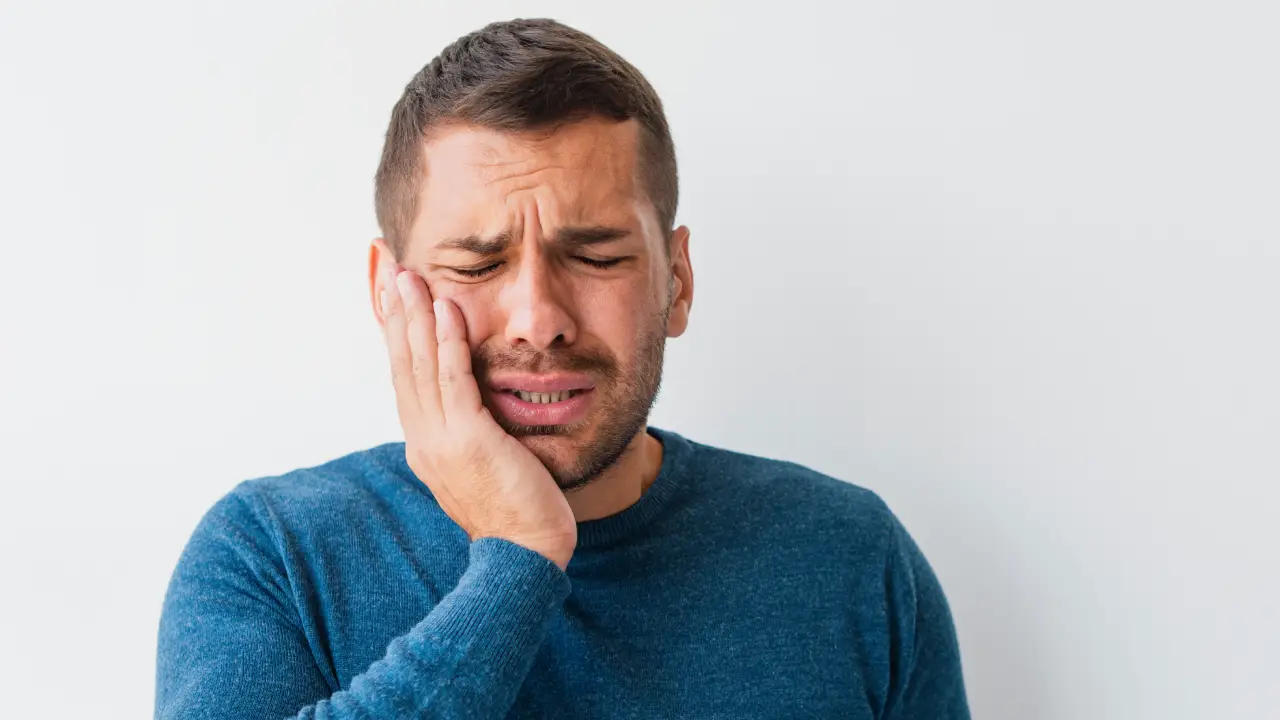
TMJ
The temporomandibular joint (TMJ) connects your jawbone to your skull. It plays a vital role in talking, chewing, and facial expressions. When this joint becomes irritated or misaligned, it can cause a wide range of discomforts that affect daily life. TMJ dysfunction often develops gradually, but symptoms can worsen if left unaddressed.
This condition can stem from several factors, such as muscle tension, jaw injuries, arthritis, or habitual teeth grinding. The close link between the TMJ and the head, neck, and facial muscles means that issues in one area can often trigger problems in others.
Common Signs and Symptoms
People experiencing TMJ dysfunction may notice:
- Jaw pain or tenderness
- Clicking, popping, or grating noises when opening or closing the mouth
- Difficulty chewing or a change in bite alignment
- Locking of the jaw in an open or closed position
- Headaches, often starting near the temples
- Earaches or ringing in the ears
- Neck and shoulder discomfort
Symptoms may appear on one or both sides of the jaw and can vary in intensity throughout the day.
Possible Causes of TMJ Dysfunction
Multiple causes can link to TMJ issues, including:
- Prolonged teeth clenching or grinding (bruxism)
- Direct injury to the jaw, face, or neck
- Misalignment of the teeth or jaw structure
- Stress-related muscle tension
- Arthritis affecting the joint
- Poor posture that strains the jaw and neck muscles
In many cases, more than one factor contributes to the discomfort, making assessment and treatment planning essential.
How TMJ Affects Daily Life
Even mild jaw pain can impact normal activities. Tasks like chewing food, speaking for extended periods, or yawning may become uncomfortable. Teeth grinding at night can also disrupt sleep if symptoms intensify. Over time, persistent muscle tension and joint strain can influence posture, facial balance, and general comfort.
Role of Physiotherapy in TMJ Management
Physiotherapy addresses both the source of TMJ discomfort and the surrounding muscular imbalances. By targeting the jaw joint, neck, and facial muscles, therapy aims to restore smooth movement and reduce tension. Treatment focuses on relieving pain, improving mobility, and preventing future flare-ups.
A tailored approach often includes:
- Manual therapy to ease muscle tightness and improve joint mechanics
- Massage therapy to release tension in the facial, jaw, and neck muscles
- Postural correction to reduce strain on the jaw and supporting structures
- Jaw mobility and strengthening exercises to improve functional movement
- Relaxation and stress-reduction techniques to reduce muscle clenching
- Education on daily habits to prevent symptom recurrence
Massage Therapy for TMJ
Massage therapy can play a key role in easing TMJ discomfort by releasing tight jaw, neck, and facial muscles. This approach may include gentle intraoral techniques (performed with gloves) to target deep muscles that contribute to jaw movement. Reducing muscle tension not only relieves pain but also improves jaw alignment and function.
Other Complementary Treatments
Alongside physiotherapy and massage therapy, other methods may help, such as:
- Heat or cold treatment for inflammation or stiffness
- Gentle stretching to maintain mobility
- Breathing techniques to reduce tension
- Ergonomic adjustments for work or sleep positions
Combining therapies can create a more comprehensive and lasting effect.
When to Seek Professional Help
You should not ignore persistent jaw pain, frequent headaches, or difficulty opening and closing the mouth. Early assessment can prevent the progression of TMJ dysfunction and reduce the likelihood of chronic symptoms. Professional guidance ensures that treatment addresses the specific causes rather than just masking discomfort.
Moving Forward
If jaw pain, headaches, or clicking when chewing have become part of your daily routine, it’s time to take action. Our clinic offers physiotherapy, massage therapy, and other targeted treatments to help restore comfort and function to your jaw. Contact us today to book your appointment and start your path to Relief.